A small house
in a papad town.
Bikaneri Finsa Agarwal has been making papad, bhujia and badi in Bikaner since 2021. This is what we are and what we are not.
Bikaner already knew how.
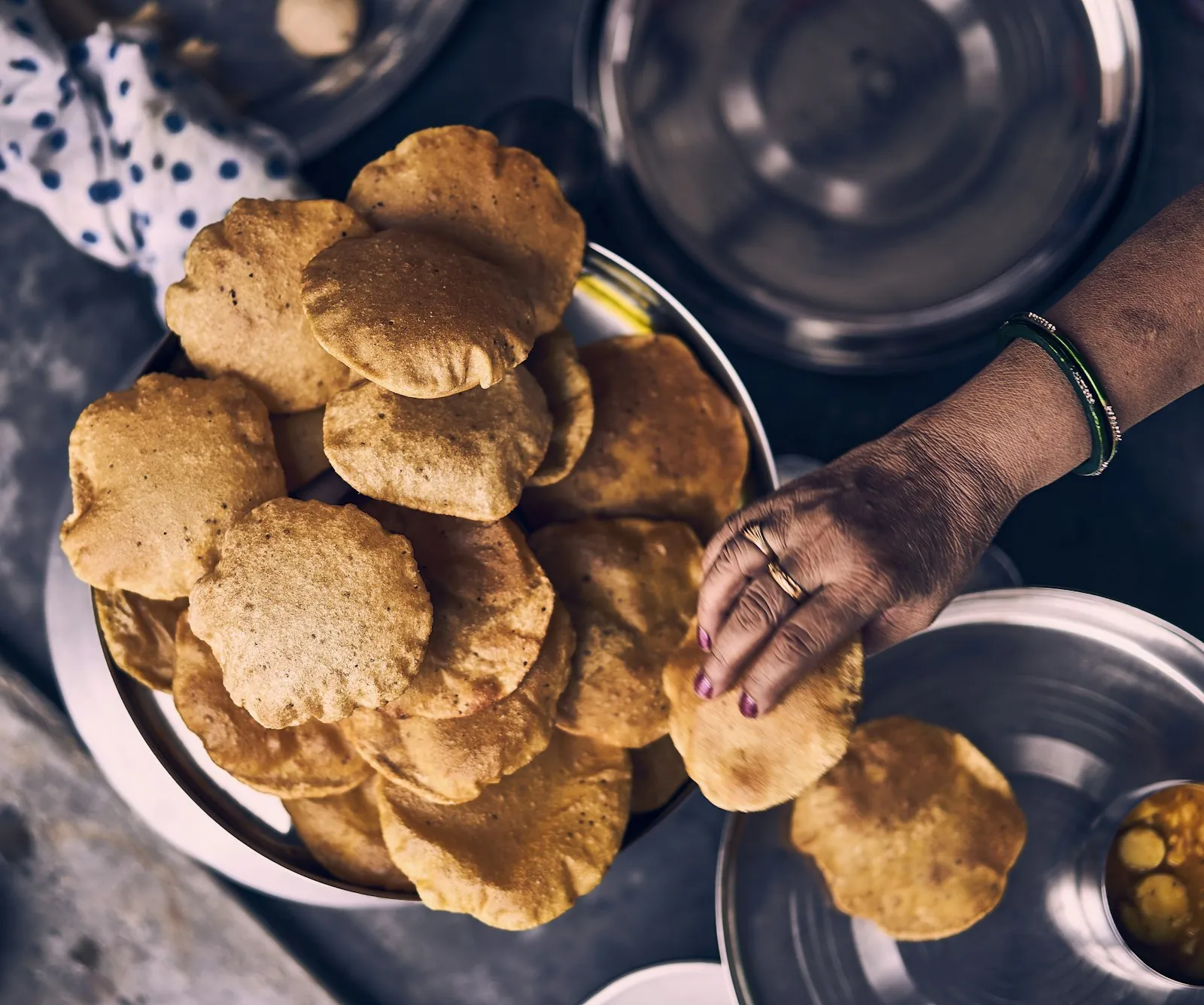
We did not invent anything. Papad and bhujia have been made in this city for well over a century, and the method that matters was worked out long before we turned up: good dal, ground fresh, rolled thin, dried in open sun, sealed before it goes stale.
What we set out to do was hold that line consistently, at a price a shopkeeper can actually sell at, with paperwork a buyer can actually check. That is a duller ambition than most food brands claim. It is also the only one worth making a promise about.
The name on the packet is a family name. When a batch is wrong, there is nobody else for it to be.
Bhujia is a cottage industry, not a factory product.
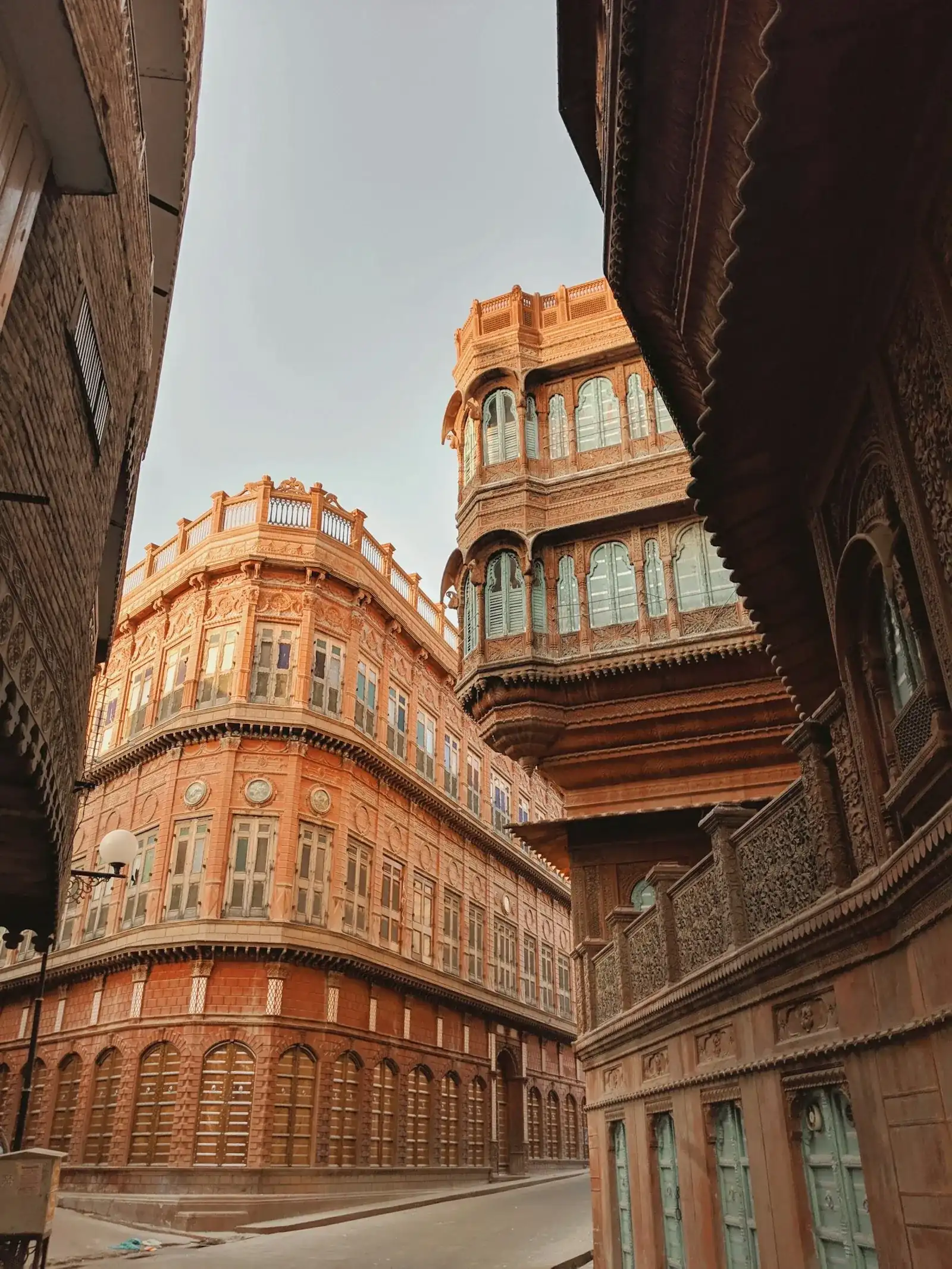
Across the villages around Bikaner, a great deal of this work happens inside people's homes, and a large share of it is done by women working from there. Big companies have taken the name bhujia national. The making of it stayed local. We buy into that chain rather than around it, because it is the reason the product is any good.
- Moth dal and besanThe two things bhujia is actually made of
- Open sun dryingSlower than machine drying, and the reason it puffs
- Small lotsGround and fried as it is needed, not stockpiled
Four things we will not move on.
-
01
Vegetarian, with no small print
No egg, no animal fat, nothing borderline. Our products carry a hundred percent vegetarian certification and that is not a thing we intend to revisit.
-
02
Reverse osmosis water, all the way through
Every litre of water that touches a papad is treated first. It is more expensive than tap water and it is the single cheapest way to avoid the problems that ruin a food business.
-
03
Licensed and checkable
We hold an FSSAI licence, batch details go on the pack, and if a buyer asks to see the paperwork we send it. Certification only counts if somebody can look it up.
-
04
Fresh beats warehoused
Papad does not improve with age. We would rather run a smaller batch more often than fill a godown and hope it moves before the crunch goes.
What we put back.
A food business in a small city is not separable from the city. Most of what follows costs us money and none of it shows up on the packet, which is roughly how it should be.
Beti Bachao, Beti Padhao
We support the national campaign for the education and welfare of girls, and we hire from the same villages our dal comes from. In a trade this dependent on women's work, that is the least defensible thing to be vague about.
Swachh Bharat
We have backed the cleanliness mission since it started. Inside the unit it is unglamorous and constant: floors, trays, hands, the parts of food safety that nobody photographs.
Empty packets
We print the request and we mean it. A snack that takes ten minutes to eat should not outlive the person eating it. Bins, not roadsides.